Boom stability and working width
Working width is paired with boom height sensors, suspension response and section geometry so a 24 m or 36 m boom does not drift outside the intended swath when ground undulates.
Specify boom width, tank volume, nozzle bodies and spray drift limits against the crop canopy and wind window you actually spray—not a brochure rate detached from terrain or refill logistics.
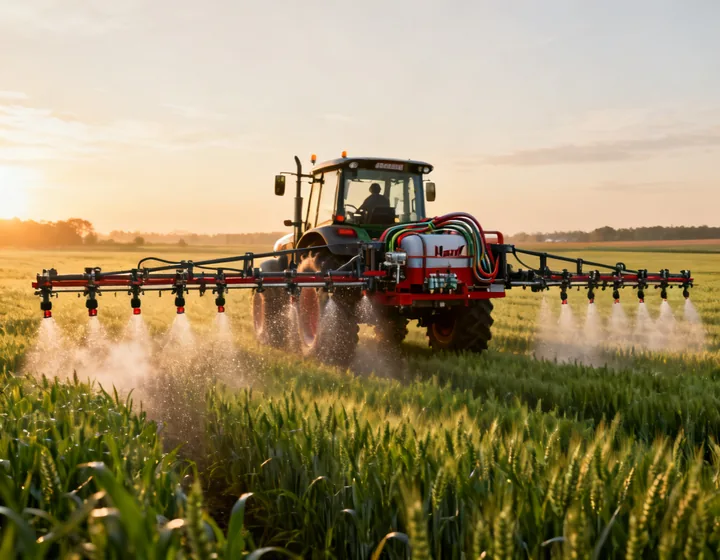
Each workstream converts a spraying concern into inputs agronomists, fleet managers and dealers can review before a season window closes.
Working width is paired with boom height sensors, suspension response and section geometry so a 24 m or 36 m boom does not drift outside the intended swath when ground undulates.
Flow rate (L/min), tank capacity and refill cadence are modeled with product density and hectares per fill so a 3000 L tank plan for a 2025–2026 cereal window matches the available spray hours rather than forcing mid-field improvisation.
Nozzle chart selection, pressure bands and wind thresholds are documented before the first pass. Drift-sensitive buffer zones and orchard edge cases stay visible in the application plan.
Pump diaphragms, nozzle bodies, control valves and rate-controller cabling are staged with response objectives so a mid-season failure does not idle an entire spray fleet.
Each card surfaces tank capacity, working width and control traits so procurement can shortlist before opening an inquiry.
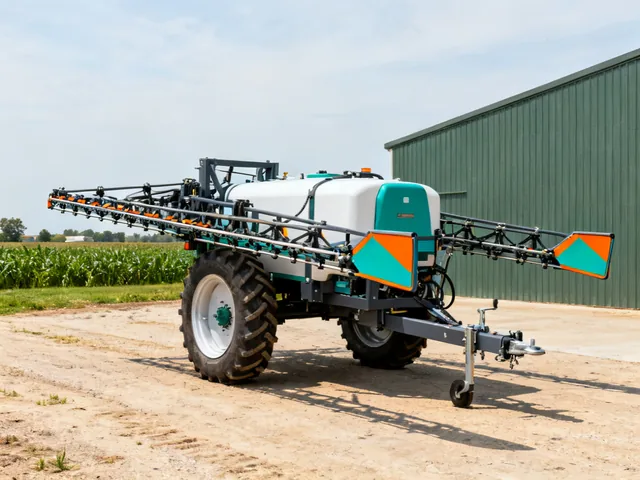
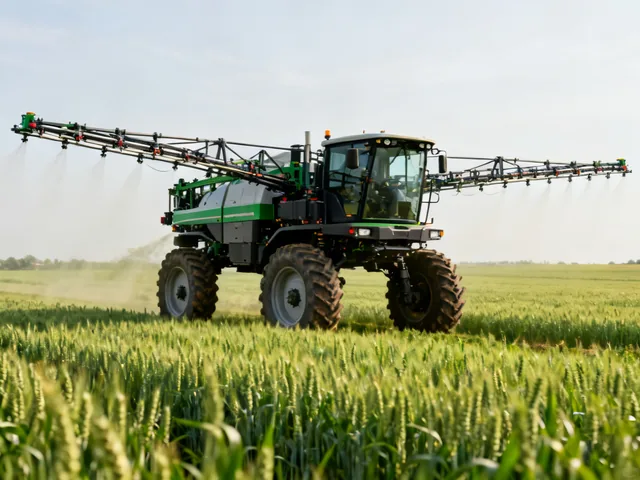
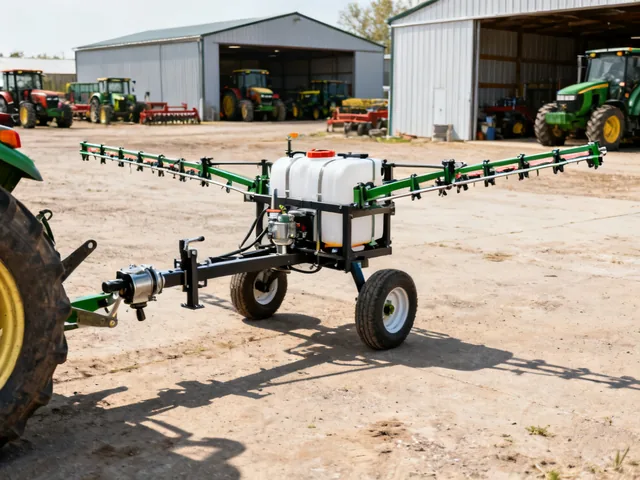
Different crops change nozzle choice, boom height, drift risk and refill logistics. Start from the operating context before locking a platform.
Wide boom throughput for wheat and barley blocks where spray drift control and section shut-off protect headlands and watercourses.
Air-assisted or tailored nozzle strategies for fruit rows where canopy density and alley width dominate deposition quality.
Smaller tanks and tighter rate bands for vegetables and vine crops where residue windows and neighbor buffers are strict.
Background: a farm manager schedules a pre-flowering fungicide pass on a contiguous cereal block with neighbor watercourse buffers. Process: boom width is shortlisted at 24–36 m, tank capacity is planned near 3000 L against refill route distance, and nozzle class plus wind threshold are written into the 2025 calibration sheet with a water run inside ±5% of target L/ha. Result: the RFQ asks dealers for section response behavior, boom-height sensor coverage and critical wear-kit staging before the spray window opens—not a single brochure hectares/day figure.
Share crop hectares, boom width targets, tank preference and whether you need rate control, section control or nozzle chart guidance for the next spray window.